family
Family.
The reason any of this matters. The first people who said yes when no one else would — the ones who taught me what “right person for the job” actually means.

BuilderAuthorSpringfield, Missouri
Local-first software. Hard problems. The right answer — not the popular one. If you’ve got something nobody else can figure out, say when.
i · the short version
Springfield, Missouri. Marine Corps first, then a long stretch of software — C where it matters, English where it matters more. The parts that don’t fit on an intake form:


family
The reason any of this matters. The first people who said yes when no one else would — the ones who taught me what “right person for the job” actually means.
service
Supply lines break. Plans don’t survive contact. The enemy gets a vote. Everything I learned in the Corps, I ended up needing as a software engineer.
work in hand
Circuits, antennas, firmware, garden sensors, ham radio rigs, tube amps, code that runs on devices nobody thought would host it. If I can solder it, compile it, or cast it, I’m interested.
track record
A hand-built local-first software stack — TypeScript, C and C++, no cloud required. LoRa gateways, BLE fabric, sensor mesh: raw signal turned into useful decisions, on-device. Quiet work for people who need it; ask for references if we’re a fit.
“I’m your huckleberry.”
— Doc Holliday (Val Kilmer), Tombstone, 1993
In 19th-century American slang, being someone’s huckleberry meant being the right person for the job. Doc says it to Johnny Ringo to accept the challenge. It’s a yes. It’s an acceptance. It’s the right man, stepping forward.
The desert isn’t a theme, it’s a plan. Mom and me, starting over where the air is dry and the sunsets don’t quit.
ii · the scans
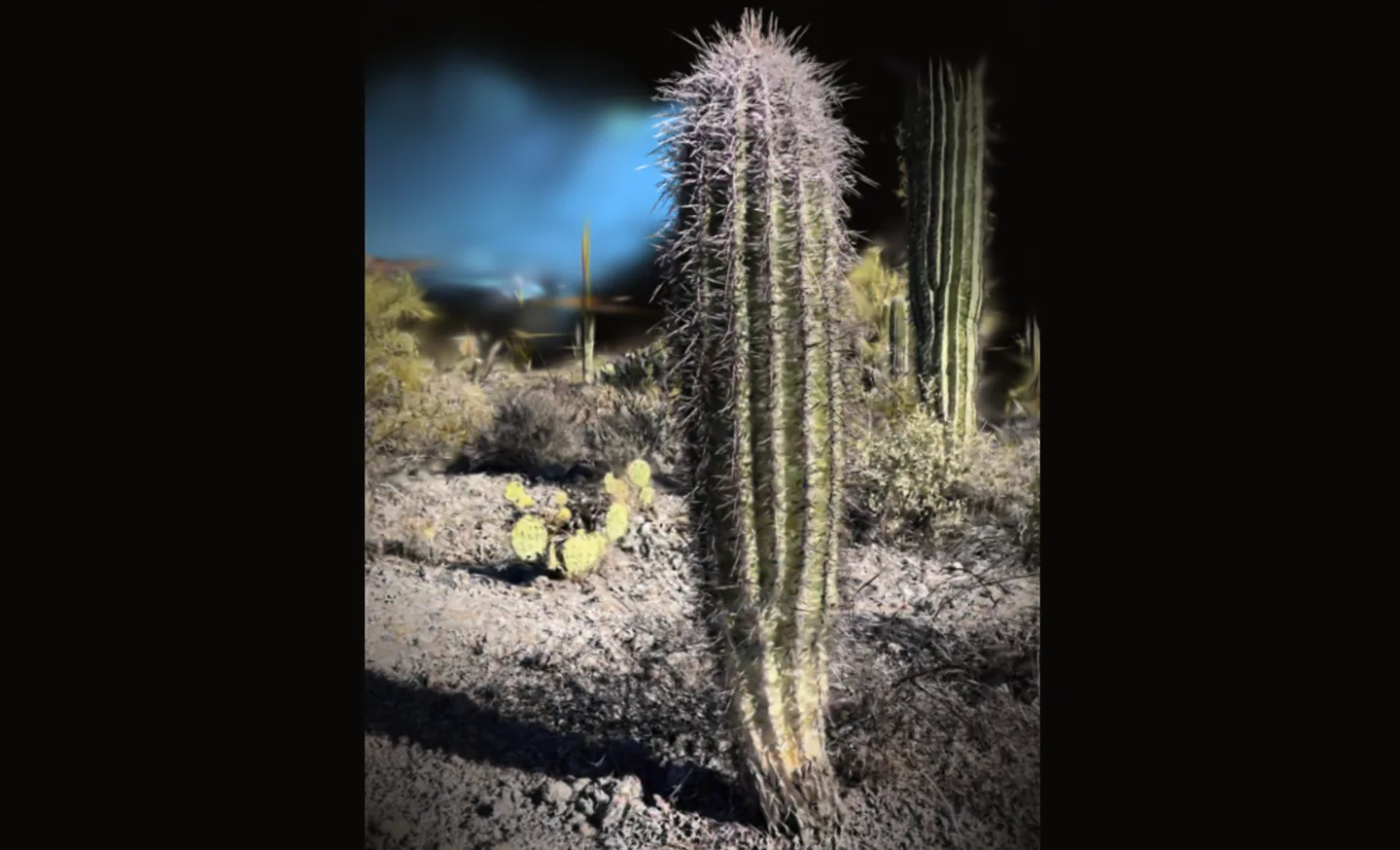
Three actual sites, scanned in the field — real 3D Gaussian splats you can walk around in your browser. Every point is a measurement, not a guess from a prompt. Drag to orbit. Scroll to zoom. Pick a place below.
Loading scan…
Gaussian splatting · iPhone (Scaniverse) · drag to orbit, scroll to zoom.
Tucson Mountain District
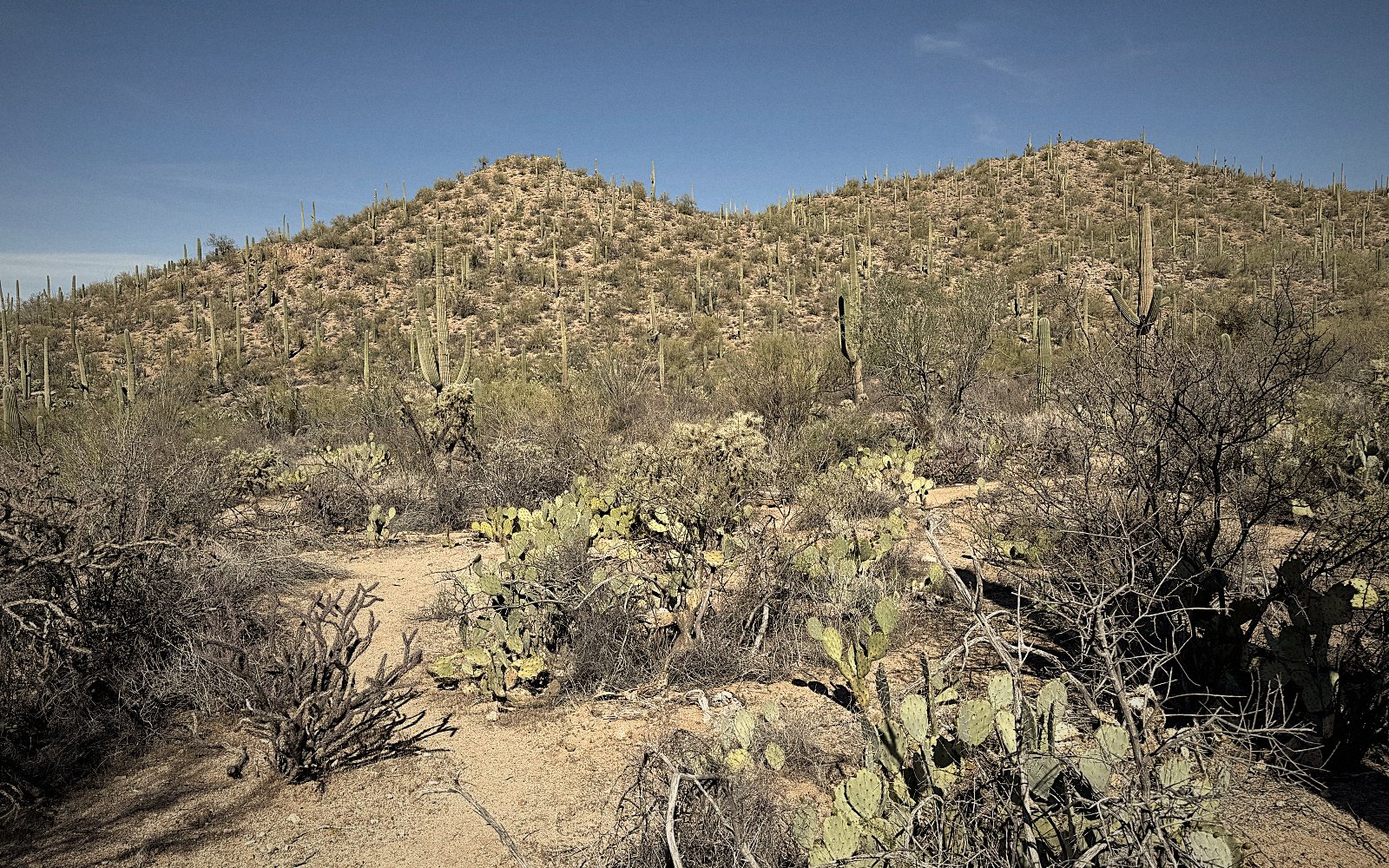
665,279 measured points, captured on an iPhone in the Tucson Mountain District — the western unit of Saguaro National Park, past Gates Pass, on the bajada below Wasson Peak. Every point is a measurement, not a guess.
Red Rock Park, Gallup
A dry-stacked cairn at Red Rock Park, east of Gallup, New Mexico — built course by course from the same stone the cliffs behind it are cut from. The colour that reads as almost cartoonish in a photo is exactly what the rock is: iron oxide in Jurassic Entrada sandstone, laid down as dune and tidal flat something like 160 million years ago. 642,000 measured points; you can read the individual slabs.
Wilson’s Creek National Battlefield
A field gun on the line at Wilson’s Creek, fifteen minutes south of the house — the field where the first major Civil War battle west of the Mississippi was fought on August 10th, 1861. Home country, and the place I go when I need the quiet kind of long view. 715,723 measured points.
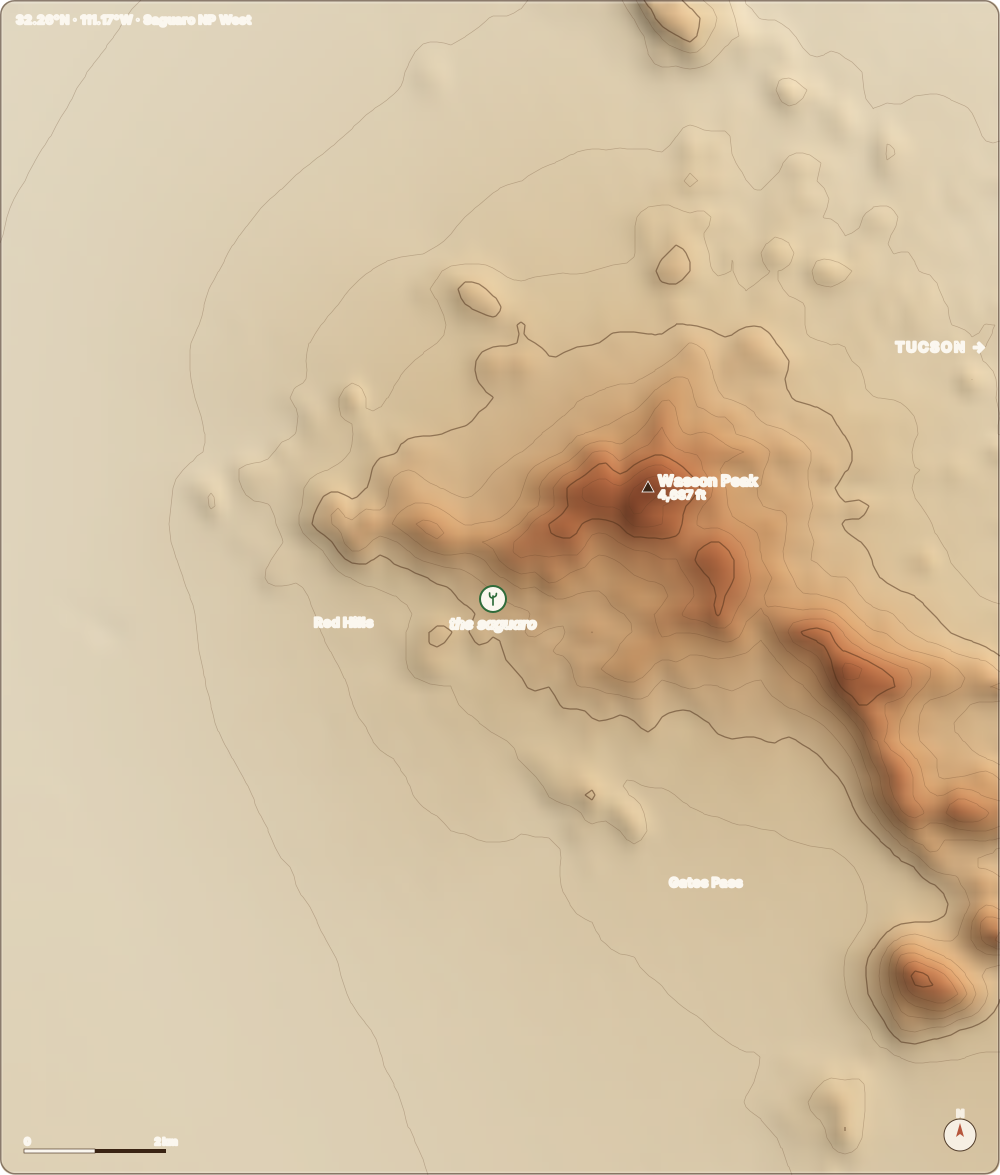
That saguaro grows in the Tucson Mountain District of Saguaro National Park — the park’s western unit, out past Gates Pass on the bajada below Wasson Peak. The map is real: USGS elevation, contours traced from the raw grid, hillshade from the same — every line a measurement, same as the splat. No map tiles, no CDN.
32.26°N, 111.17°W · Saguaro NP West · Tucson, Arizona

iii · the roads
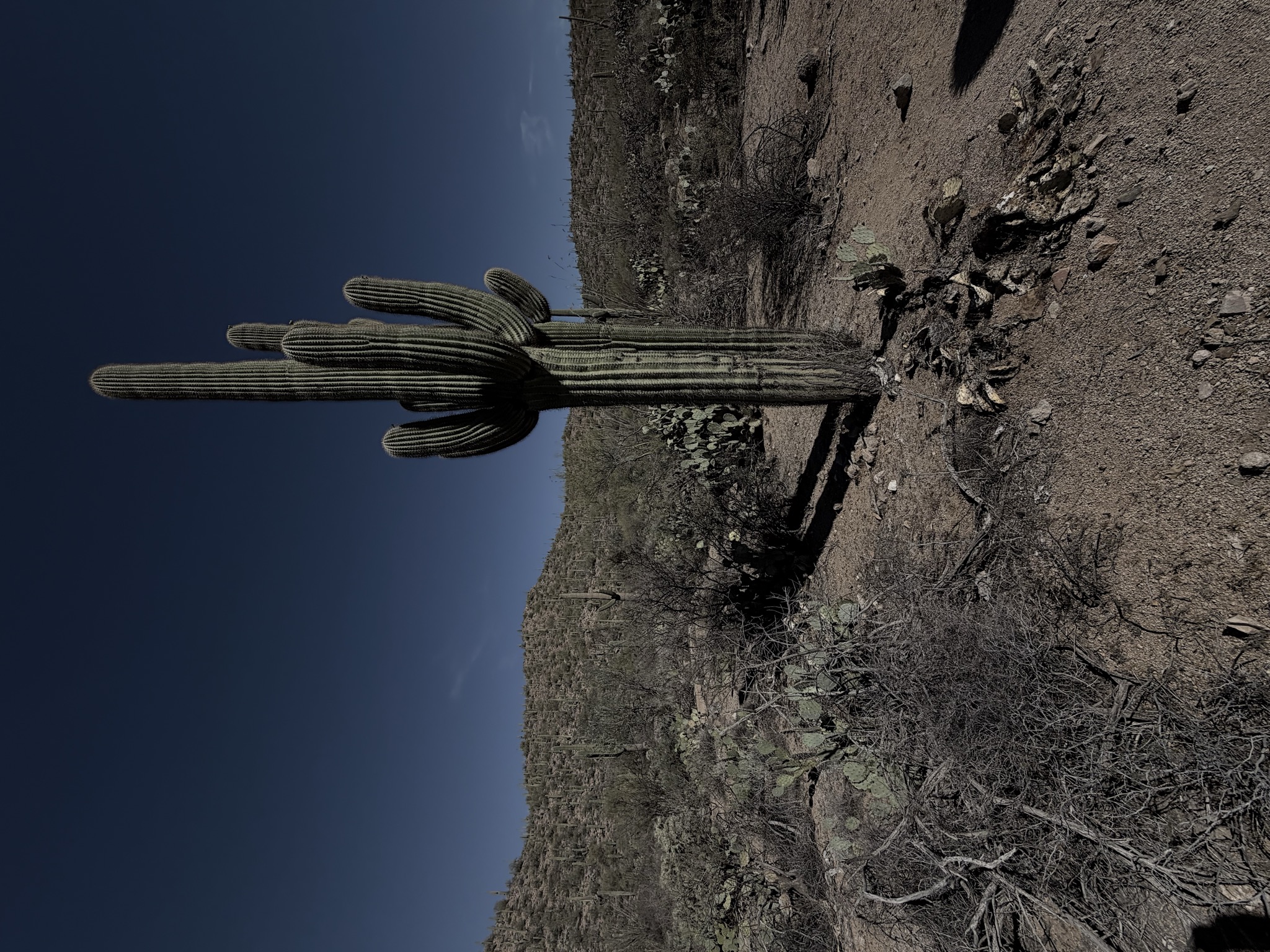
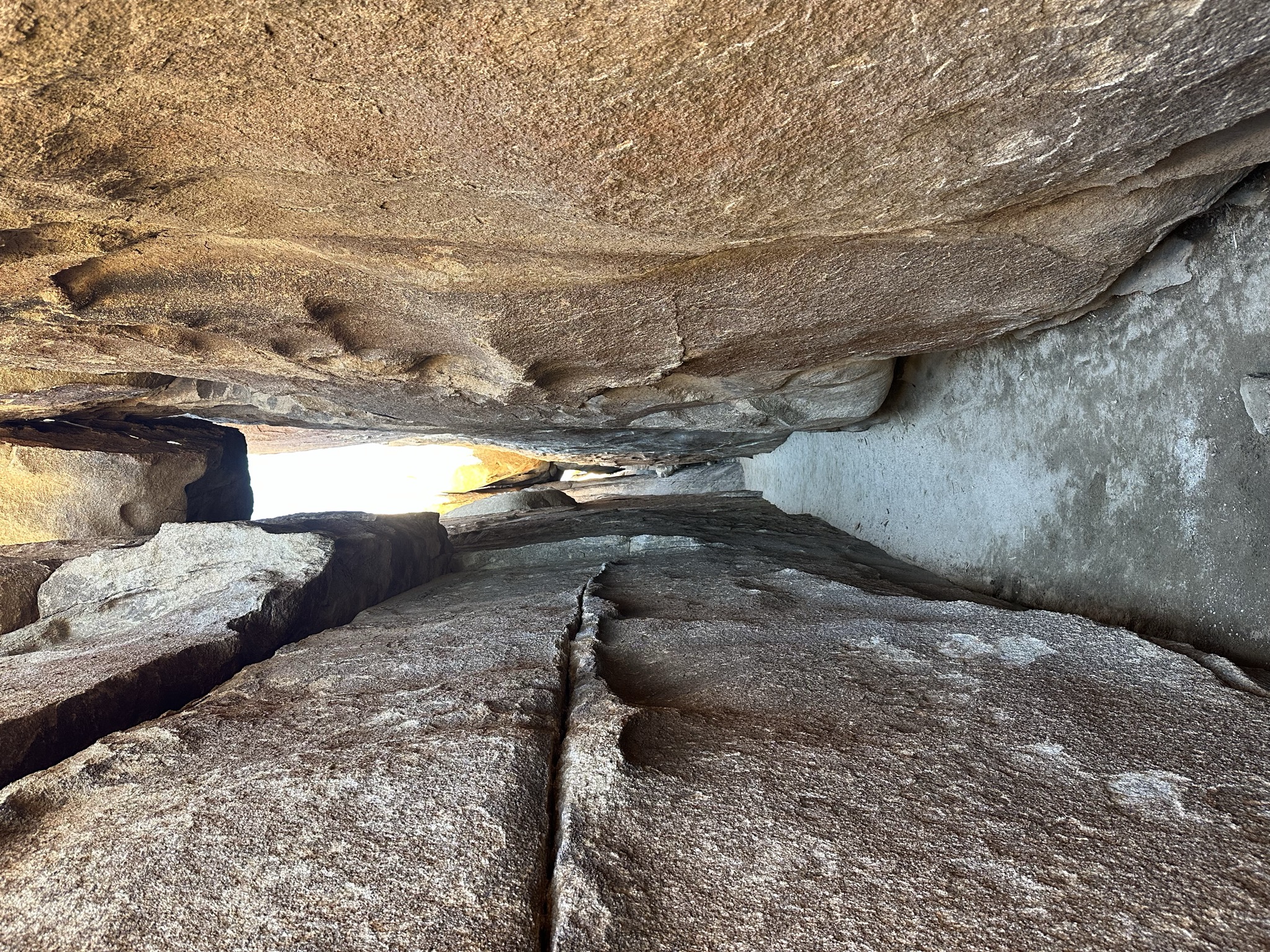
A few of the places the work and the family took us — measured the same way the desert was: by going, and by looking.
New Zealand
The Coromandel coast
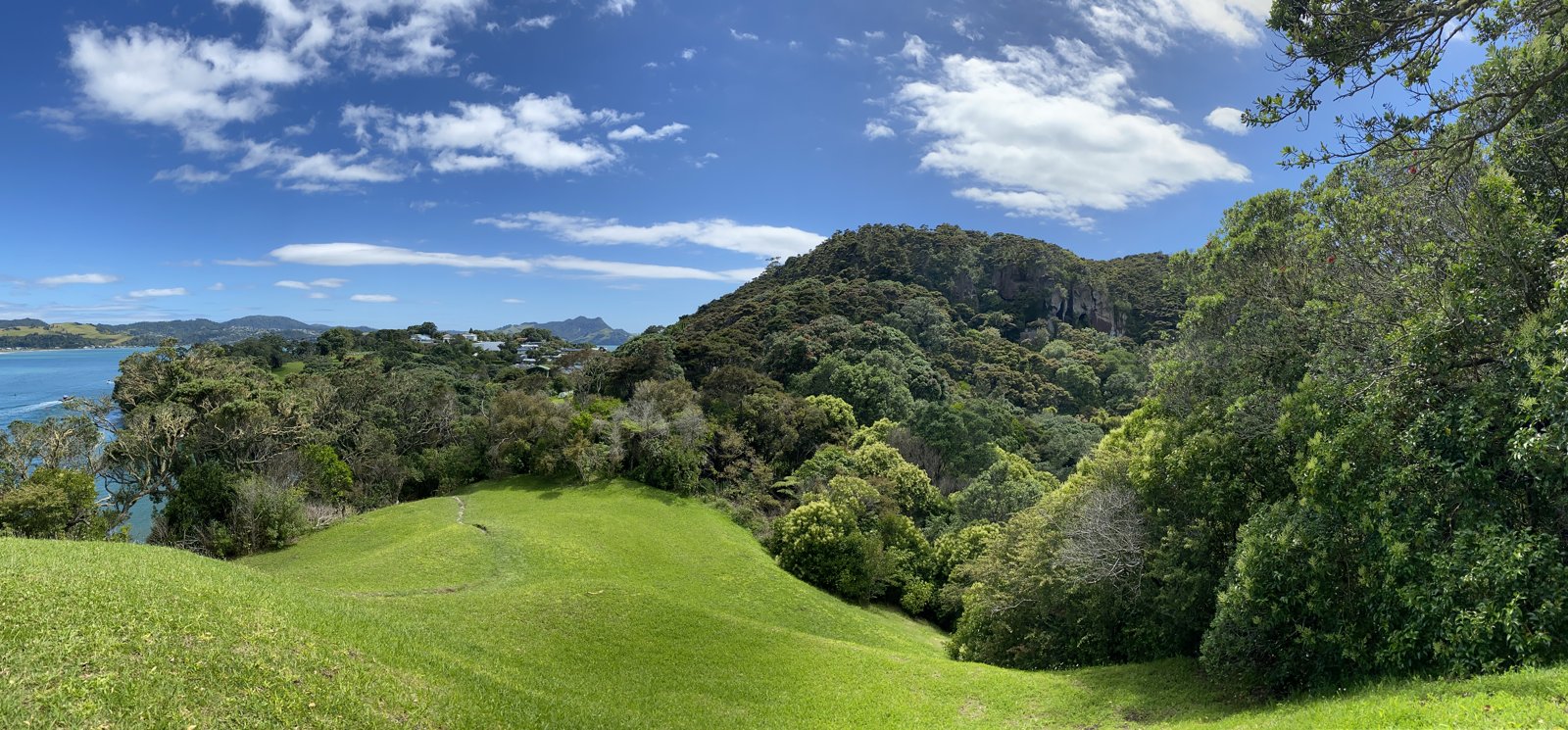
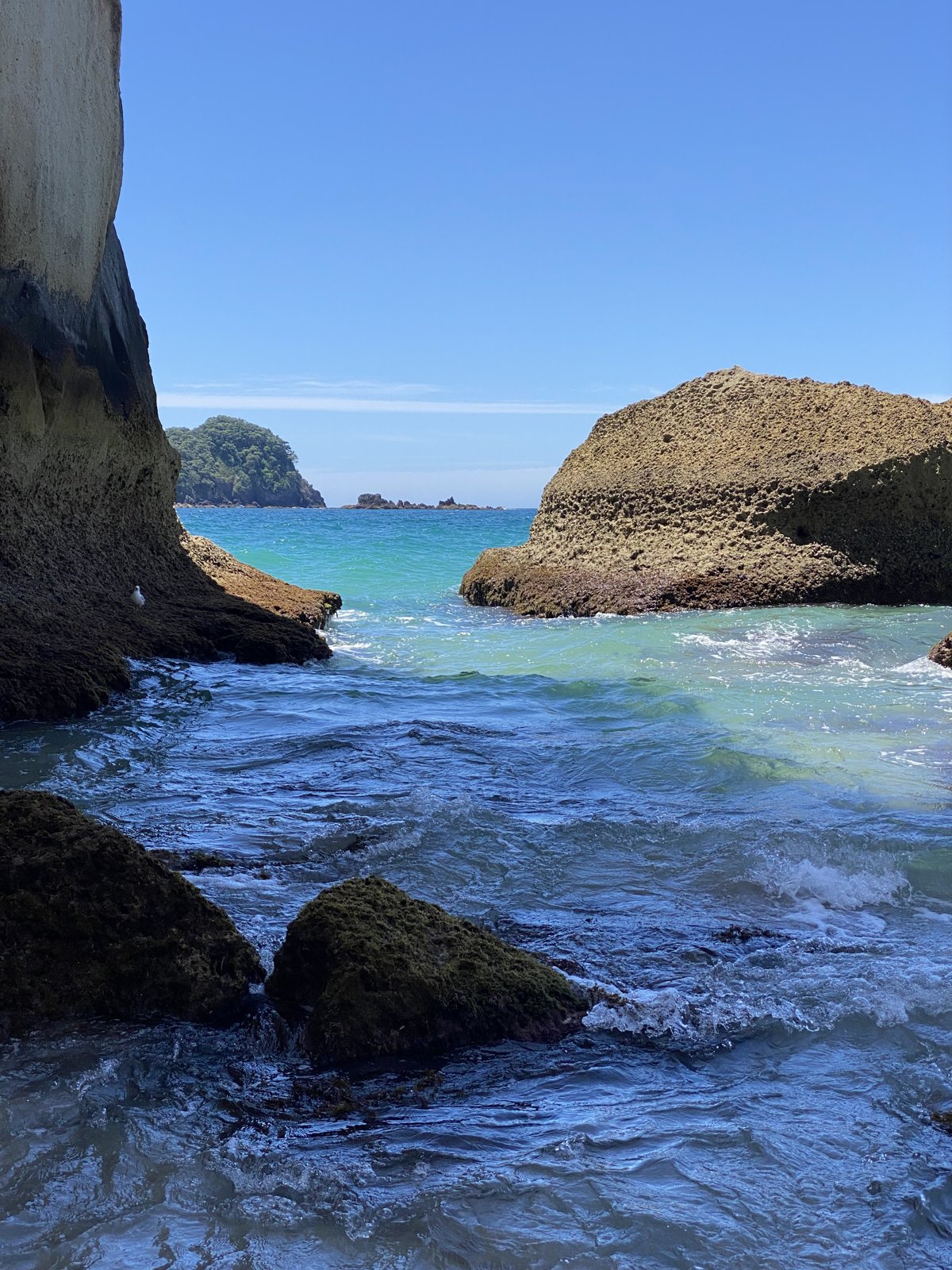
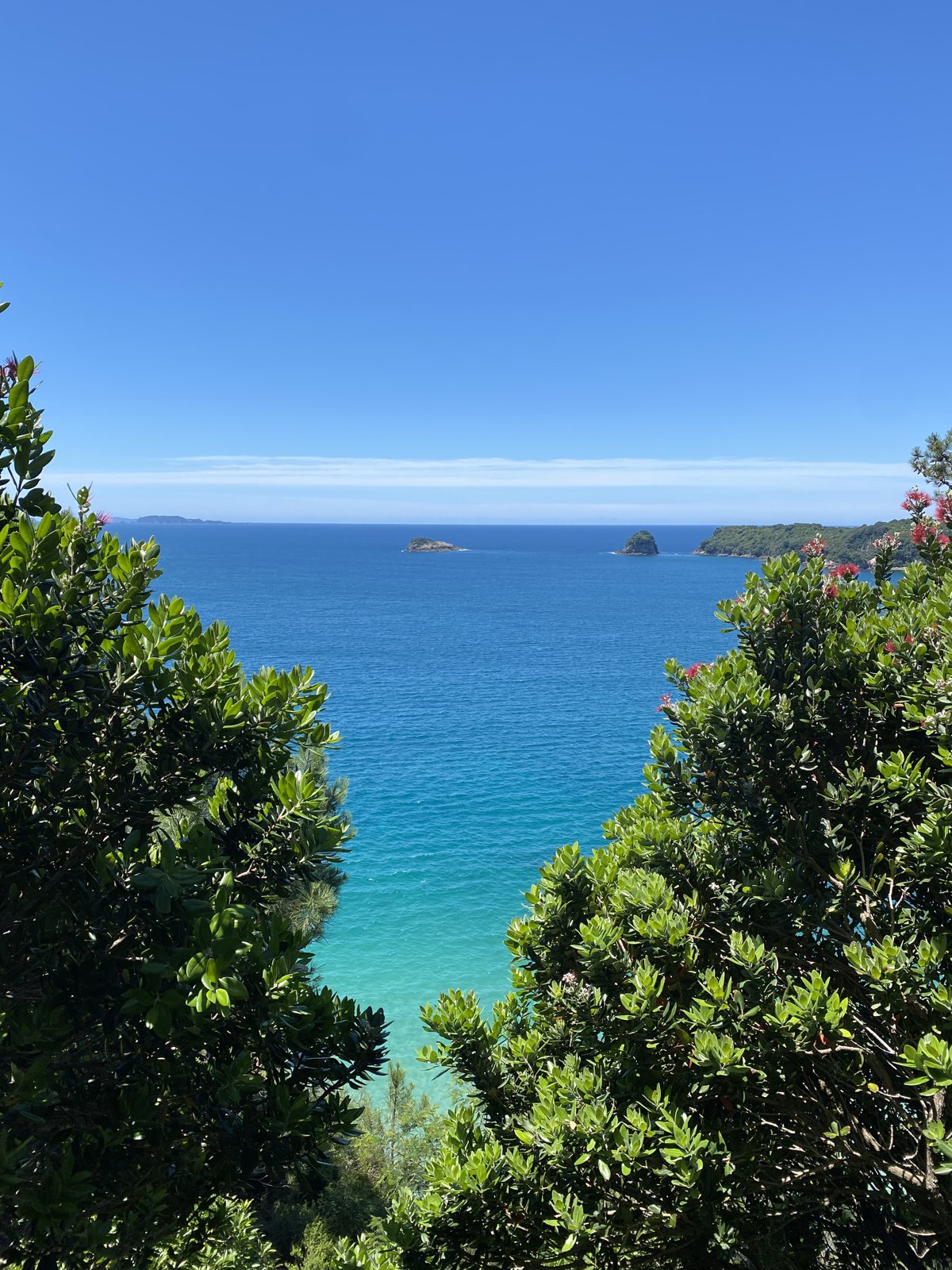
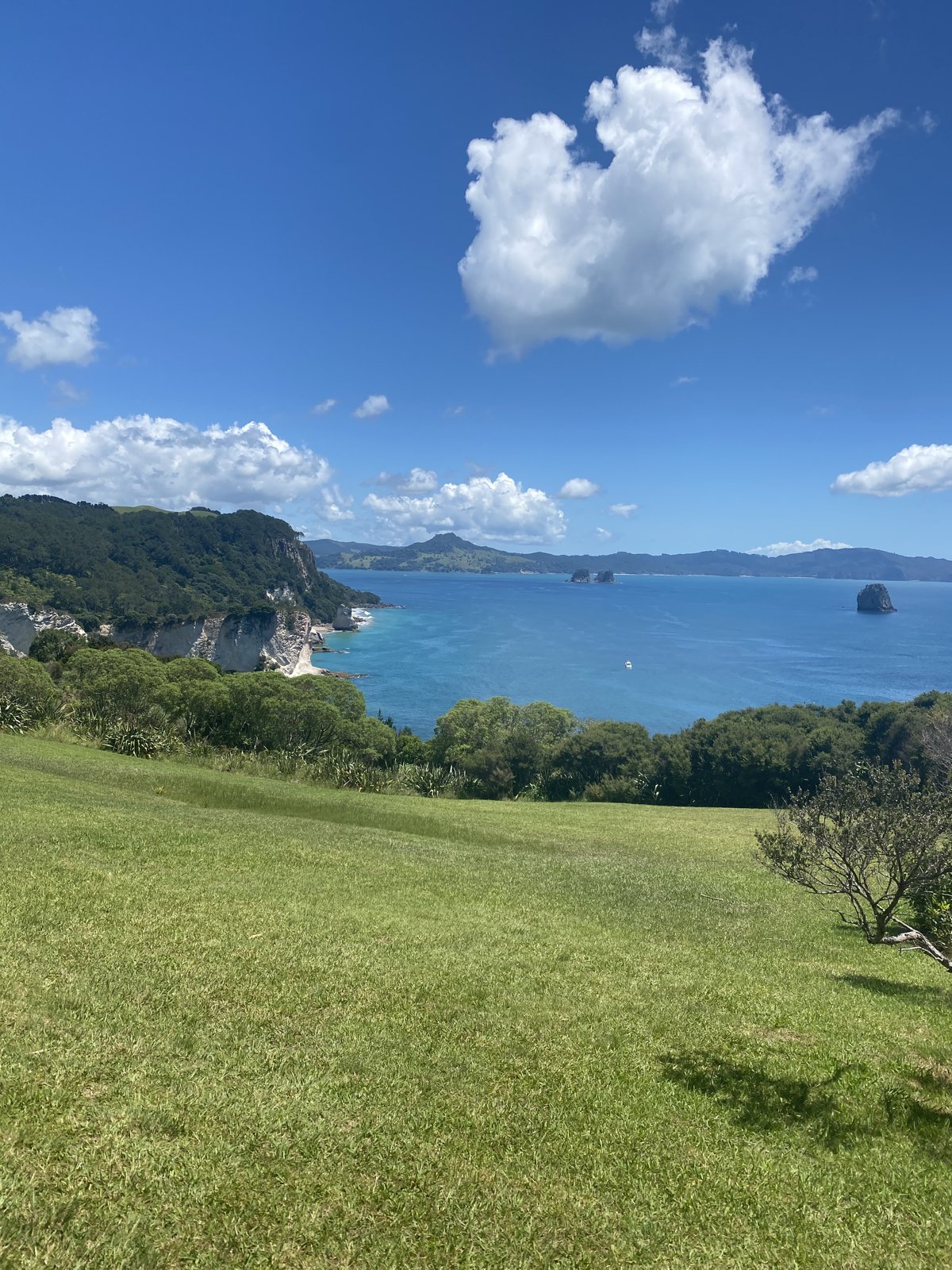
Tree ferns and turquoise coves — green hills that fall straight into the sea.
Big Bend
The Chisos · West Texas
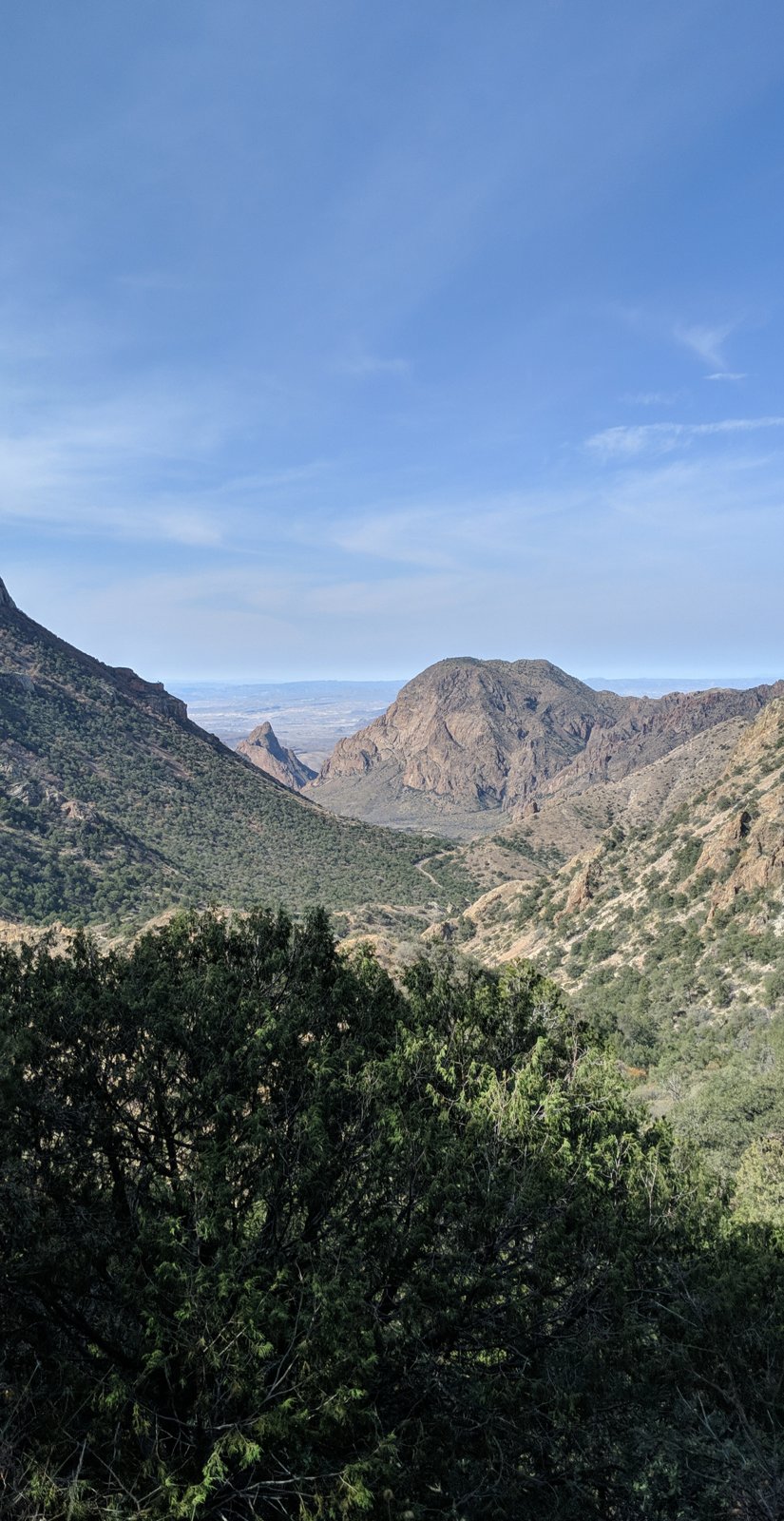
Basin Junction — the far side of the desert of the real.
Home country
The Ozarks · Springfield, Missouri
Home. K0TLR. The workshop and the bench and the family — the anchor everything else is measured from. Wilson’s Creek is fifteen minutes down the road; the shop antenna is up the driveway. Everything ships from here.
iv · writing
Short pieces, mostly at the seam of tools and self-reliance. Long pieces when a book isn’t ready yet.
Chapter one of Near Enough. Free — the rest is yours for what it’s worth to you.
Doc Holliday says “I’m your huckleberry” twice in Tombstone, and both times he is agreeing to do the thing nobody else wants to. That’s the whole idea. A huckleberry job is not a well-scoped job. It is the one that has already been scoped, priced, staffed, kicked off, and killed — twice — and it still needs to work.
The huckleberry doesn’t come in with a slide deck. He comes in with the tools he actually owns and a willingness to be there until it’s done. That’s the deal. If you’ve got that kind of problem, you already know it.
A saguaro doesn’t care how the phone is oriented. You walk around it in the January sun, holding an iPhone at whatever awkward angle keeps the sun off the lens, and when Scaniverse is done the file it hands you is 689,962 Gaussian ellipsoids — a measurement of a real plant in real light, in real space, at 32.26°N, 111.17°W.
The point of the splat on the surface of this site is that it is measured. Nothing here is generated. When the desert shows up on the screen, that is the desert. When the cactus casts a shadow, the shadow was there. This matters to me. It ought to matter more than it does to the rest of the software world.
Most of the interesting problems I get called for don’t need another database. They need a way to ask “how much like this is that?” without pretending the answer is a lookup. Hyperdimensional computing gives you the honest version of that question: project everything into a ten-thousand-dimensional space, and let similarity be distance. Bind, bundle, permute — three operators, one algebra, thirty years of proofs behind it.
When you build that way, the runtime shrinks. The cloud bill shrinks. The edge device becomes plausible. The whole shape of what a program can do on the machine you already own gets larger. That is the whole point of the work.